How to pick the best car insurance that actually protects you (best car insurance)
insurance
By The Yield Witness • 2 Dec 2025 • 4 min read
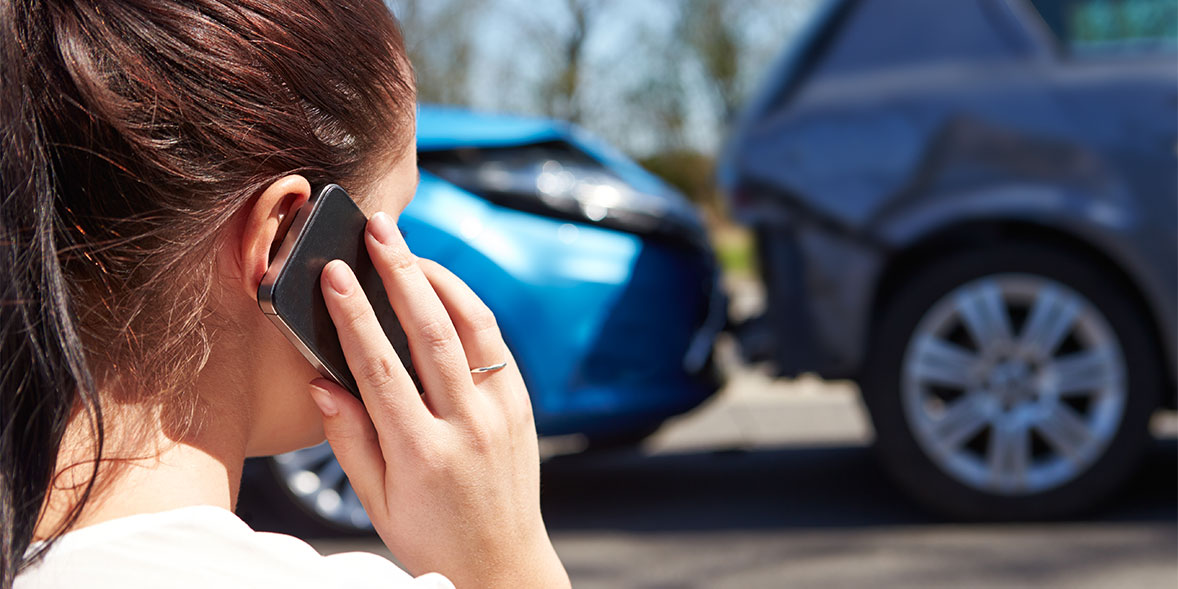
Owning a car feels like freedom — until it isn’t. I remember a friend whose car got totaled on a rainy evening; the insurance they picked was cheap, but paid out almost nothing. They were stuck — no car, huge repair bills, zero support.
That’s what I mean when I say “best car insurance” isn’t about the lowest price. It’s about the one you can actually rely on, when everything crashes down.
Let’s talk about what really makes a good car insurance — what to look for, what to avoid, and how to choose one that shields you, not one that leaves you stranded.
That’s what I mean when I say “best car insurance” isn’t about the lowest price. It’s about the one you can actually rely on, when everything crashes down.
Let’s talk about what really makes a good car insurance — what to look for, what to avoid, and how to choose one that shields you, not one that leaves you stranded.
What “best car insurance” really means — beyond the premium
Ever looked at two policies: one costs half as much, the other double — and wondered why? Because “insurance” isn’t a product you hope to use often. It’s protection for when life spins out.
Best car insurance balances fair cost with comprehensive coverage. You want coverage for accidents, theft, third-party liability, and ideally some extras — roadside assistance, glass repair, personal injury.
If a policy only covers third-party damage, you could end up paying for your own losses. I’ve seen cars vandalized, stolen, damaged in floods — owners with minimal insurance coverage lost everything. The slightly more expensive policy with full coverage would’ve saved them heartbreak.
Affordable premiums are nice. But protection when disaster hits — that’s what really matters.
Best car insurance balances fair cost with comprehensive coverage. You want coverage for accidents, theft, third-party liability, and ideally some extras — roadside assistance, glass repair, personal injury.
If a policy only covers third-party damage, you could end up paying for your own losses. I’ve seen cars vandalized, stolen, damaged in floods — owners with minimal insurance coverage lost everything. The slightly more expensive policy with full coverage would’ve saved them heartbreak.
Affordable premiums are nice. But protection when disaster hits — that’s what really matters.
Check how claims are handled — it’s more than paperwork
Have you ever heard horror stories: long delays, denied claims, unclear rejection reasons? That usually has less to do with accident circumstances — and more to do with the insurance company’s claim process.
The best car insurance comes from insurers with clear claim procedures, fair adjusters, and fast payouts.
For example, if insurers offer 24/7 claims number, mobile claims filing, or cashless repair network — that’s a good sign. In a major city, waiting days for a repair shop to get paid can mean you’re carless while bill piles up.
When possible, talk to current customers. Ask: “Did you get paid promptly?” “Was documentation easy?” Their stories reveal what the “fine print” really means.
The best car insurance comes from insurers with clear claim procedures, fair adjusters, and fast payouts.
For example, if insurers offer 24/7 claims number, mobile claims filing, or cashless repair network — that’s a good sign. In a major city, waiting days for a repair shop to get paid can mean you’re carless while bill piles up.
When possible, talk to current customers. Ask: “Did you get paid promptly?” “Was documentation easy?” Their stories reveal what the “fine print” really means.
Don’t ignore exclusions — cheap isn’t free
Here’s where many go wrong: low premium but heavy exclusions.
Maybe the policy doesn’t cover flood damage. Or it excludes driver under 25. Or it excludes using the car commercially.
If you drive daily in unpredictable weather, or live in a flood-prone area, a policy excluding natural damage might as well be useless.
The “best car insurance” has clear terms, reasonable exclusions, and flexibility. If you need to pay a bit more for that — consider it earned.
Maybe the policy doesn’t cover flood damage. Or it excludes driver under 25. Or it excludes using the car commercially.
If you drive daily in unpredictable weather, or live in a flood-prone area, a policy excluding natural damage might as well be useless.
The “best car insurance” has clear terms, reasonable exclusions, and flexibility. If you need to pay a bit more for that — consider it earned.

Tailor coverage to your lifestyle and location
Your car use matters.
If you drive mostly in cities — traffic jams, narrow roads — collision and theft coverage matter.
If you travel long distances or carry passengers, liability coverage and roadside assistance become critical.
In rural or flood-prone regions, a policy covering natural disasters, salvage, and towing might save you from ruin.
I once helped a friend in a coastal city who had minor hail damage. The insurer with “full coverage” in name denied because their area was excluded. The “best” policy for them would have been slightly pricy — but far less painful.
If you drive mostly in cities — traffic jams, narrow roads — collision and theft coverage matter.
If you travel long distances or carry passengers, liability coverage and roadside assistance become critical.
In rural or flood-prone regions, a policy covering natural disasters, salvage, and towing might save you from ruin.
I once helped a friend in a coastal city who had minor hail damage. The insurer with “full coverage” in name denied because their area was excluded. The “best” policy for them would have been slightly pricy — but far less painful.
Myth-busting: cheapest insurance is rarely the safest
It’s easy to assume low cost equals smart budget. But I’ve met many people who regretted going cheap. Cheap often means cut corners — limited coverage, poor customer service, long delays.
True value comes from transparency, solid claims history, fair contracts. Don’t chase the lowest premium. Chase reliability.
True value comes from transparency, solid claims history, fair contracts. Don’t chase the lowest premium. Chase reliability.
When that friend’s car got smashed — a cheap insurance felt like a deal. But real cost was weeks without transport, mounting bills, and frustration.
If you drive daily: compare policies with care. Read the fine print. Ask about claims history. Understand what you need.
Need a starting point? Pull out your insurance papers. Ask yourself: would this cover theft, accident, flood — or only damage to someone else? That simple check might save you from hours of stress later.
Are you confident your car insurance protects you — or just promises it?
If you drive daily: compare policies with care. Read the fine print. Ask about claims history. Understand what you need.
Need a starting point? Pull out your insurance papers. Ask yourself: would this cover theft, accident, flood — or only damage to someone else? That simple check might save you from hours of stress later.
Are you confident your car insurance protects you — or just promises it?
Frequently Asked Questions 👇
Often yes. Comprehensive insurance covers your own car’s damage, theft, natural disasters — not just third-party losses. If you live in a risky area or drive regularly, it’s usually worth the extra cost.
Ask around. Real customers (friends, neighbors) usually tell the truth. Look for insurers with cashless repair networks, 24/7 support, and simple documentation processes. That’s a good sign.
Yes — especially if you live in flood-prone, high-theft, or unstable regions. A policy excluding those risks is often a bad deal disguised as cheap.
Not always. But cheaper often means minimal coverage, exclusions, or poor claim handling. It’s worth checking what you’re sacrificing when you pick the lowest premium.

Related Articles
No related posts